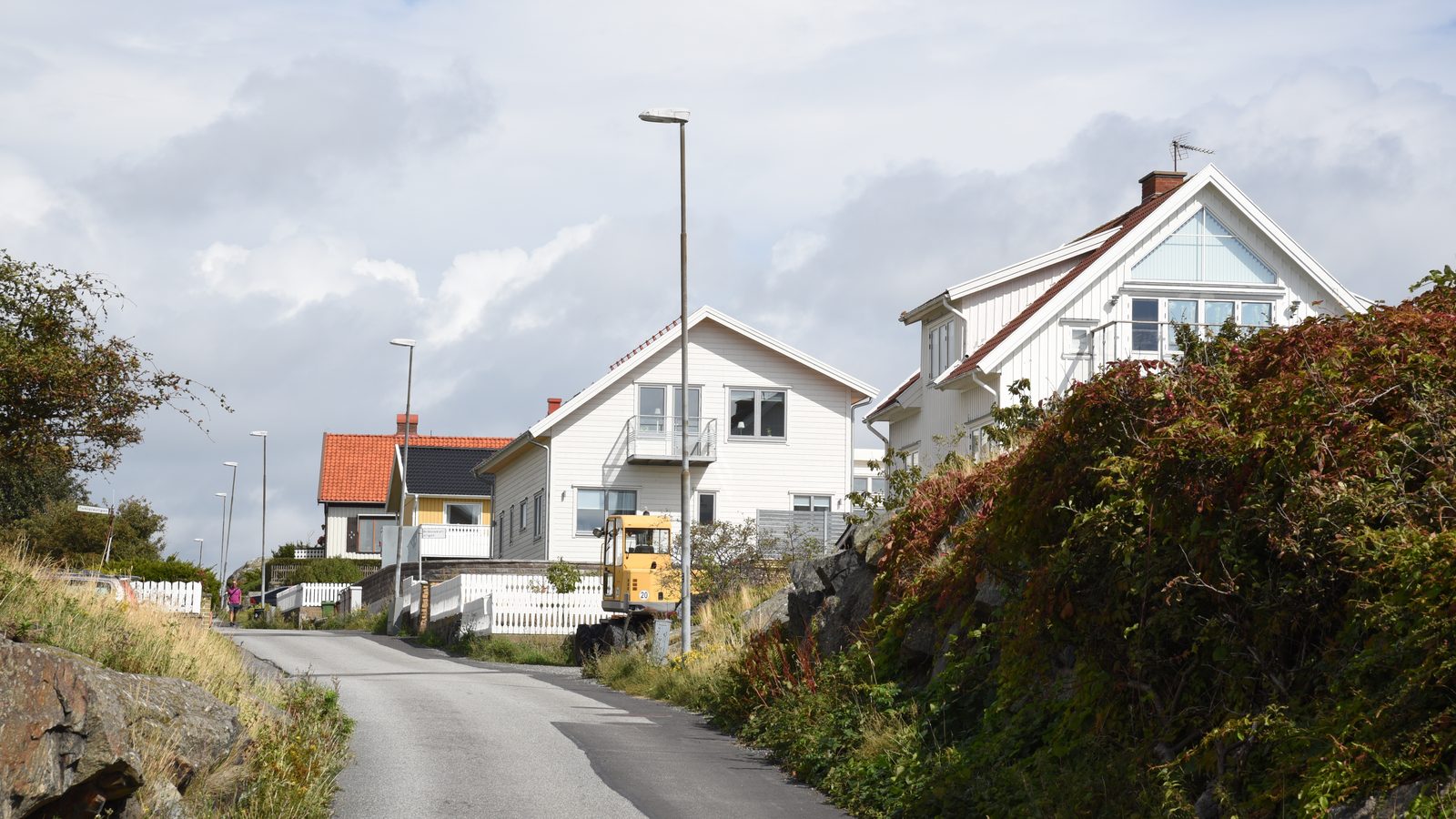
The travel planner: real journey times, not straight lines
The map now plans journeys by public transport and car on real timetables, in our own routing engine. The same engine powers the analysis of your pins.
Straight line distance is the most misleading number in the entire moving process. Twenty kilometres is nothing on a motorway and half an hour through a town. One kilometre is five minutes on foot if there is a path, and twenty if a railway is in the way.
So the map now plans real journeys.
What it does
Set a start and a destination on the map and the journey is computed by public transport or by car. For public transport it uses real timetables, meaning actual departures, changes and waiting time, rather than an assumed average speed.
The engine is our own and runs on our servers. That means no searches are passed on to a third party service, and the feature cannot disappear because somebody else changes their terms.
Where it helps most
The travel planner is wired into the pin analysis. Drop a home pin on an address and run Analyse the location, and travel time to the nearest hospital, preschool, primary school, grocery shop and train station is computed through the same engine, on foot, by bike, by car and by public transport.
That is where the difference from an ordinary map search becomes obvious. You do not get one journey, you get a location's accessibility in four modes at once.
A couple of honest limitations
The public transport data comes from the transport authorities' open timetables. Coverage is good for trains, buses, metro and ferries, but individual lines can lack geometry, and timetables change at every timetable shift. A journey that looks impossible on the map can be perfectly possible in reality, and the other way round.
Car time is computed on the road network without rush hour. Use it to compare locations with each other, not to plan a morning.
Try it yourself
Open the map, drop a pin on an address you are considering and one on work. Run the journey in both modes. It takes half a minute, and it is usually the moment when "it is only twenty kilometres" either holds or falls apart.
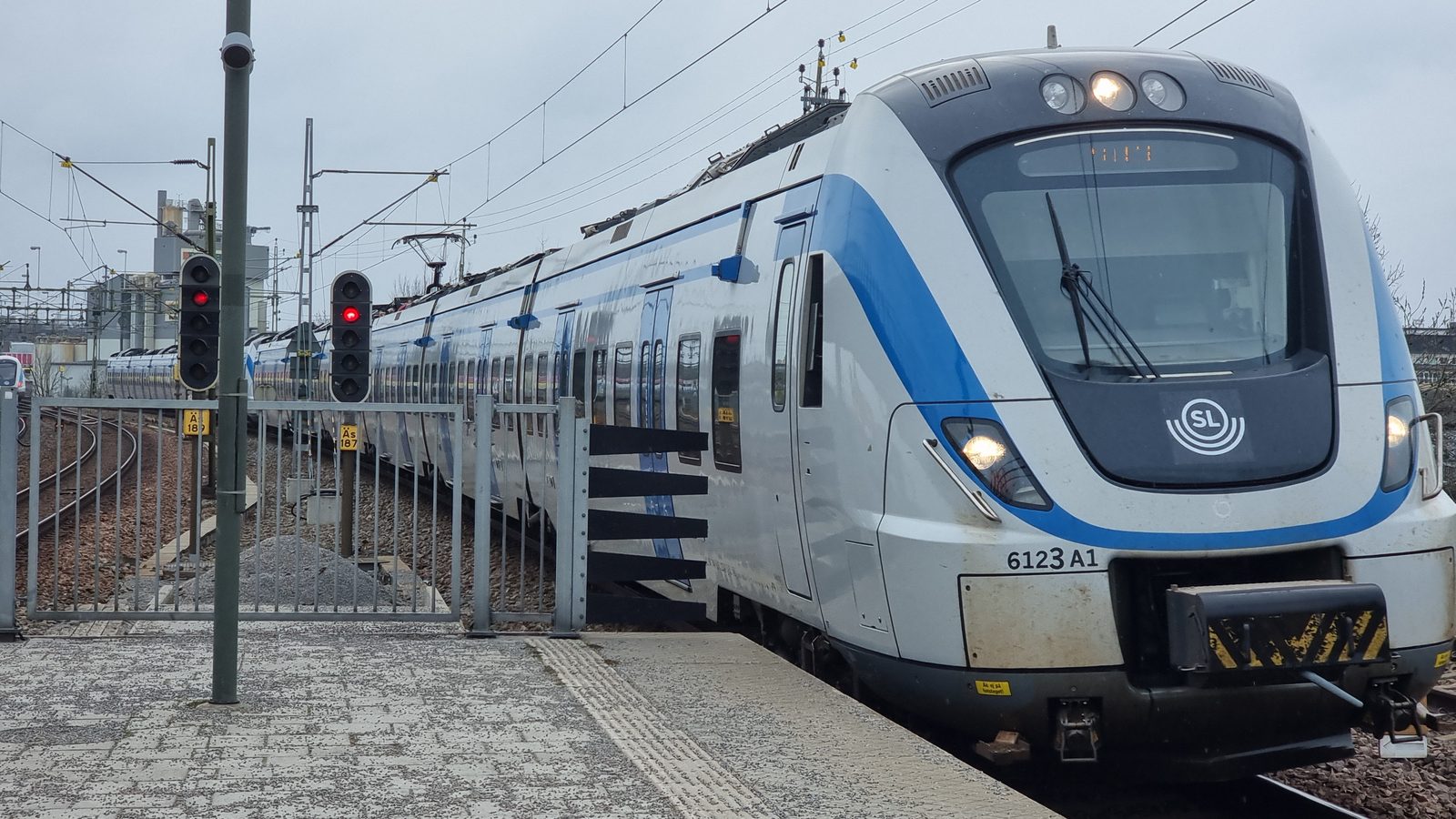
Photo: Luddveeg, commuter train at Årstaberg, Stockholm, Sweden. Released under CC0 via Wikimedia Commons. The image has been cropped and downscaled.
One municipality at a time, straight to your inbox.
A letter every other week. No ads, no reselling.